Arranging skip bin delivery sounds simple until you realise your driveway is narrow, steep, or difficult to access. Many homeowners only think about space constraints after booking a bin, which can lead to delays, extra charges, or even a cancelled delivery. If your property has limited access, understanding skip bin delivery narrow driveway requirements early can save time, money, and frustration.
Whether you are clearing out household waste, renovating, or managing a construction project, careful planning makes all the difference when space is tight.
Why Narrow Driveways Create Delivery Challenges
Skip bins are delivered using specialised trucks that require adequate space to manoeuvre, reverse, and safely place the bin. A narrow driveway limits turning radius, increases the risk of damage, and may prevent standard trucks from accessing your property.
Driveway width is not the only concern. Overhanging trees, low carports, steep slopes, and parked vehicles can also restrict access. Even if a driveway looks wide enough, obstacles can make delivery unsafe or impossible.
Professional skip bin providers assess access carefully because safety and property protection are their responsibility.
Standard Skip Bin Truck Requirements
Most skip bin trucks need enough width to enter and exit without scraping fences, walls, or parked cars. They also need overhead clearance to lift and place the bin using hydraulic arms.
When dealing with skip bin delivery narrow driveway requirements, providers often ask for driveway measurements, photos, or a site description. This helps them determine whether a standard truck can access the property or if alternative solutions are required.
Failing to provide accurate information can result in failed delivery attempts and additional fees.
Choosing the Right Bin Size for Limited Access
Bin size plays a major role when space is restricted. Larger bins require larger trucks, which may not fit narrow driveways. In many cases, choosing a smaller bin allows delivery using compact vehicles designed for tight spaces.
Although smaller bins hold less waste, multiple collections may be more practical than forcing a large bin into an unsuitable area. Experienced providers will help recommend a bin size that balances capacity with accessibility.
Choosing the right size from the beginning reduces the risk of damage and delays.
Alternative Placement Options When Driveways Are Too Narrow
If driveway access is not possible, street placement may be an option. This usually requires council approval, especially if the bin will sit on public land.
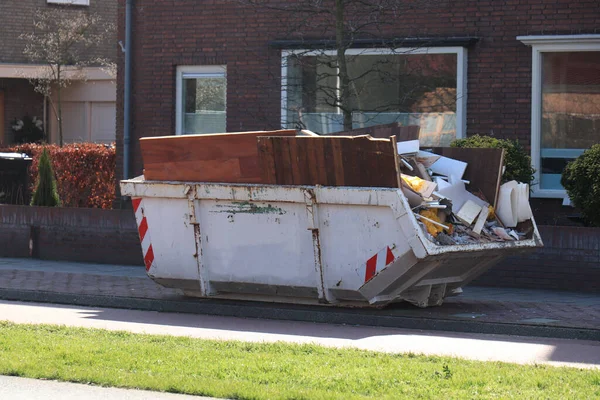
Some homeowners choose to place the bin on a nature strip or parking area, provided it does not obstruct traffic or pedestrian access. In these cases, protective boards may be used to prevent damage to surfaces.
Discussing placement options with your skip bin provider early ensures compliance with local rules and avoids fines or disputes.
The Importance of Clear Communication With Your Provider
Clear communication is essential when arranging skip bin delivery for narrow driveways. Reputable companies ask detailed questions about access and encourage customers to share photos or measurements.
Being honest about space limitations helps providers plan correctly and allocate the right vehicle. It also protects you from unexpected costs caused by failed delivery attempts or unsafe placement.
Professional providers prioritise safety and will not attempt risky deliveries that could damage property or injure workers.
Preparing Your Property Before Delivery
Preparation improves the chances of a smooth delivery. Clearing parked cars, trimming overhanging branches, and removing temporary obstacles creates more space for manoeuvring.
Marking the desired placement area helps drivers position the bin accurately. If the driveway is sloped, informing the provider allows them to assess stability and placement safety.
Good preparation reduces delivery time and minimises disruption to neighbours.
Specialised Trucks for Narrow Access Properties
Some skip bin companies operate smaller trucks designed specifically for narrow driveways and tight urban spaces. These vehicles can access areas that standard trucks cannot, making them ideal for older homes or inner-city properties.
These specialised services may cost slightly more, but they offer a safer and more reliable solution. Asking about narrow access options ensures you receive a service that suits your property rather than forcing a standard delivery.
Avoiding Common Mistakes With Narrow Driveway Deliveries
One common mistake is assuming the provider will “make it work” without detailed information. Another is choosing the cheapest quote without confirming access suitability.
Ignoring local council rules for street placement can also cause problems. Some councils require permits, and failure to obtain one may result in fines or forced bin removal.
Planning and working with an experienced provider prevents these issues.
Environmental and Safety Considerations
Proper bin placement protects surrounding areas and reduces environmental impact. Incorrect placement can damage paving, lawns, or underground services.
Safe access also protects drivers and residents. Responsible providers follow safety guidelines to avoid accidents, especially in tight spaces where visibility and manoeuvring are limited.
Choosing a provider that prioritises safety reflects well on both the homeowner and the community.
Conclusion
Skip bin delivery narrow driveway requirements should never be an afterthought. Limited access properties require careful planning, clear communication, and sometimes alternative solutions. By understanding access limitations, choosing the right bin size, and working with an experienced provider, homeowners can avoid delays, extra charges, and property damage.
Taking the time to prepare and discuss your driveway conditions upfront ensures smooth delivery, safe placement, and a stress-free waste removal experience.
FAQs
How narrow is too narrow for skip bin delivery?
This varies by provider and truck size. Many require accurate measurements to determine if delivery is possible.
Can I still get a skip bin if my driveway is very narrow?
Yes, some companies offer smaller trucks or alternative placement options, such as street placement with approval.
Do I need council approval for street placement?
In many cases, yes. Requirements depend on local regulations and should be confirmed before booking.
Will I be charged if delivery fails due to access issues?
Some providers charge a fee for failed delivery attempts, which is why accurate information is important.
Can the bin damage my driveway?
If placed incorrectly or on unsuitable surfaces, damage is possible. Reputable providers use protective measures when needed.