In an era increasingly defined by energy efficiency and cost-conscious living, off-peak hot water systems have emerged as a practical solution for both residential and commercial properties. These systems exploit fluctuations in electricity demand to provide significant financial and environmental benefits, offering an effective way to manage energy use without compromising comfort. Understanding how off-peak hot water works is key to appreciating the savings and efficiency these systems can deliver.
How Off-Peak Hot Water Systems Work
Off-peak hot water systems are designed to heat water during periods of low electricity demand, commonly at night or in the early hours of the morning. Energy suppliers typically label these intervals as “off-peak” and offer reduced tariffs to encourage consumption during quieter periods. By shifting demand to these times, electricity providers can better balance the grid, reducing strain and improving overall energy distribution efficiency.
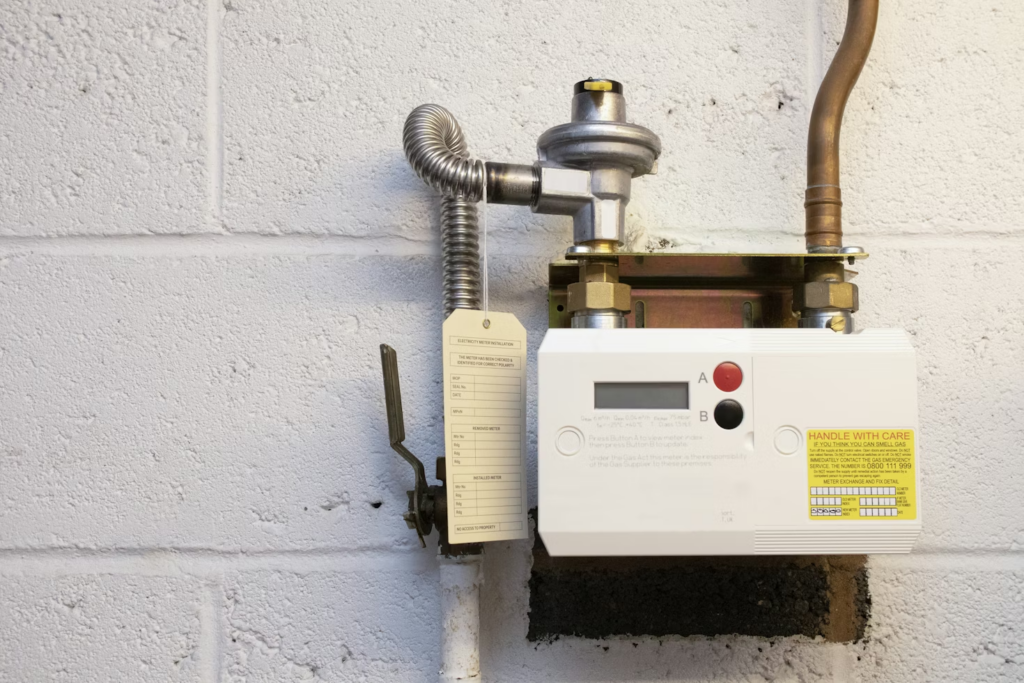
The core of an off-peak system is a large-capacity storage tank. Heating elements within these tanks are activated via timers or controlled meters, ensuring that water reaches the desired temperature when energy costs are lower. The system can be connected directly to the electrical grid or through a controlled load meter, providing flexibility depending on household requirements and infrastructure.
Financial Advantages
One of the primary incentives for installing an off-peak hot water system is cost savings. Water heating is often one of the most energy-intensive domestic processes, and shifting this demand to off-peak hours can substantially reduce electricity bills. Households with higher hot water consumption, such as those with large families or multiple bathrooms, tend to experience the most notable savings. Over time, these reductions accumulate, creating long-term financial benefits that often outweigh the initial installation expense.
The extent of savings depends on various factors, including the difference between peak and off-peak tariffs, the size of the storage tank, and daily water consumption. Nevertheless, even modest reductions in energy costs can be significant over successive billing cycles.
Environmental Impact
Beyond economic benefits, off-peak hot water systems contribute positively to environmental sustainability. By utilising electricity when the grid is under less demand, these systems help optimise energy production and distribution, reducing the need for additional power generation, particularly from non-renewable sources.
Integrating off-peak systems with renewable energy technologies, such as solar panels, can further enhance efficiency and minimise carbon emissions. This combined approach aligns with broader sustainability goals, offering households and businesses a practical way to reduce their environmental footprint while maintaining reliable access to hot water.
Types of Off-Peak Water Heaters
Off-peak water heaters are available in several configurations to suit varying needs:
- Electric storage heaters: The most common type, designed to heat and store large volumes of water during off-peak periods.
- Heat pumps: Energy-efficient systems that utilise ambient air to heat water and can be programmed to operate during off-peak hours.
- Gas storage heaters: Less widespread but adaptable for off-peak use, providing an alternative in areas where electric systems are less suitable.
Each type offers distinct advantages, and selecting the right option depends on household size, energy consumption patterns, and installation considerations.
Selecting and Installing an Off-Peak System
Choosing an appropriate off-peak system requires careful evaluation of several factors, including installation costs, maintenance requirements, and expected longevity. Professional guidance is often recommended to ensure compatibility with existing plumbing and electrical infrastructure, guaranteeing that the system operates efficiently and meets regulatory standards.
Installation may involve replacing an on-demand heater with a storage tank and integrating timers or controlled meters. Conducting a thorough assessment before installation can prevent potential issues, such as insufficient hot water supply or unexpected technical challenges.
Potential Challenges
While off-peak systems offer numerous benefits, certain limitations must be considered. Initial installation costs can be substantial, although these are typically offset over time through reduced energy bills. The availability of off-peak tariffs may also vary regionally, which can affect the extent of financial savings.
Another important consideration is ensuring that the storage tank is adequately sized to meet daily household demands. Regular maintenance and monitoring are essential to prevent disruptions and to maintain a consistent supply of hot water during peak usage hours.
Conclusion
Off-peak hot water systems provide an effective combination of financial savings and environmental advantages. By heating water during periods of low electricity demand, these systems reduce energy costs, alleviate pressure on the electrical grid, and support sustainable living practices.
With a variety of system types and configurations available, consumers can select solutions tailored to their specific energy needs and household size. When installed and maintained appropriately, off-peak systems offer reliable performance without compromising convenience, making them a prudent choice for those seeking both economic and ecological benefits.