Window tinting is a popular choice among vehicle owners and homeowners for its ability to enhance privacy, reduce glare, and block harmful ultraviolet (UV) rays. Beyond its aesthetic appeal, it provides essential protection and comfort by regulating temperature and preventing interior damage. However, one common question continues to surface: Does tint get lighter over time?
While it may appear that tinted windows change in shade as the years go by, the truth depends on several factors, such as the type of tint, the quality of materials, exposure to sunlight, and maintenance practices. Understanding how these factors affect the durability and appearance of window tints can help you make better long-term decisions.
Understanding Window Tints
Window tinting involves applying a thin, transparent film to glass surfaces to reduce heat, glare, and UV rays while maintaining visibility. Modern tinting technology offers various options to suit different needs and preferences.
Dyed films absorb sunlight to minimise brightness but may fade over time. Metalised films use metallic particles to reflect heat and strengthen glass. Carbon films provide excellent UV protection without a reflective look, while ceramic films offer top-tier clarity, heat rejection, and long-lasting performance.
Each type varies in durability, appearance, and cost. Choosing the right film depends on factors such as climate, budget, and desired level of protection, as these affect how well the tint resists fading or lightening over time.
Why People Choose Window Tinting
Window tinting offers more than just visual appeal — it provides practical benefits that enhance comfort, safety, and efficiency.
One of the main advantages is privacy and security, as tinted glass makes it difficult for outsiders to see inside, protecting occupants and valuables. It also aids temperature control, reducing heat build-up in homes and vehicles, which helps maintain comfort and lower energy costs.
Another key benefit is UV protection. Quality tints block up to 99% of harmful ultraviolet rays, preventing skin damage and protecting interior materials from fading or cracking over time.
Finally, tinting enhances aesthetic appeal, giving vehicles and buildings a sleek, modern look. Overall, window tinting combines practicality, protection, and style, making it a smart and lasting investment.
The Myth: “Window Tint Gets Lighter Over Time”
One of the most widespread misconceptions is that window tints naturally become lighter or fade significantly with age. While this can occur with low-quality films or improper installation, high-grade tint materials are designed to maintain their colour and performance for years.
When fading or lightening does happen, it is typically due to:
- UV degradation: Prolonged exposure to sunlight can break down the dye molecules in cheaper tint films.
- Heat and moisture: Extreme temperatures or trapped moisture can cause adhesive layers to deteriorate.
- Improper care: Using harsh cleaning chemicals or abrasive tools can damage the film’s surface.
With proper care and the use of premium materials, window tints should retain their original tone and clarity for a long time.
The Science Behind Tint Fading
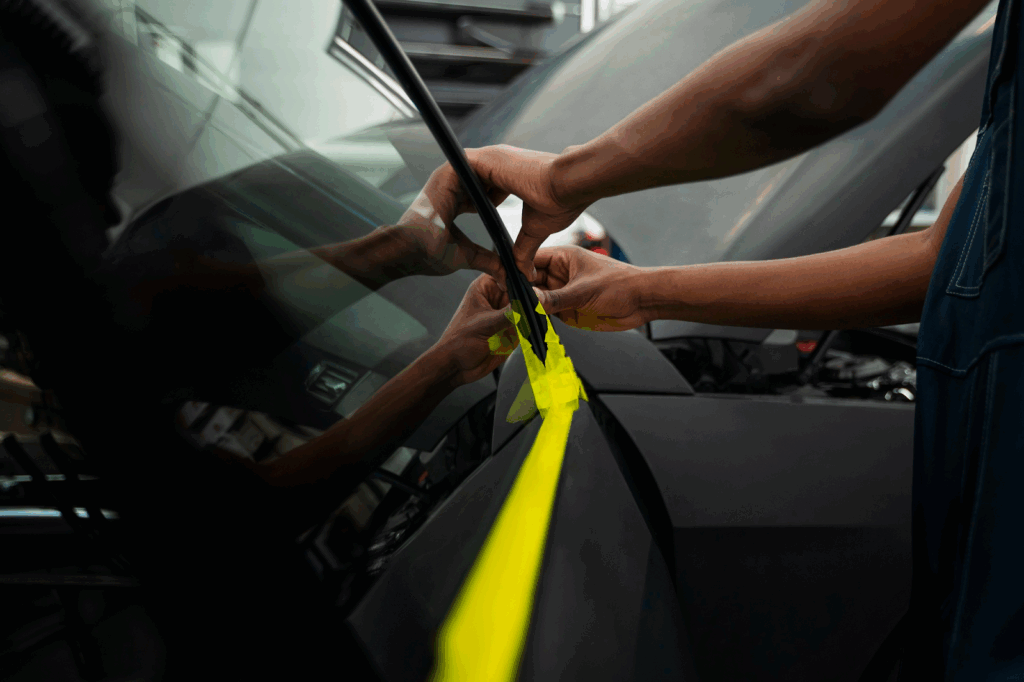
To understand why some tints may appear lighter, it helps to look at the materials used. Dyed tints, while affordable, are most susceptible to fading because the dye gradually loses its pigment under UV exposure. Metalised and carbon films, on the other hand, rely on physical and chemical properties that resist discolouration.
Ceramic tints represent the latest advancement in the industry, using nano-ceramic particles that reject heat and UV rays without any dyes or metals. These are highly stable and are known to maintain their performance for decades with minimal degradation.
Environmental factors also play a role. In regions with intense sunlight, like much of Australia, even the best tints may experience slight changes in hue after many years. However, this is usually minor and does not affect performance.
The Impact of Tint Colour Changes
When window tints begin to lighten or fade, the effects are more than just cosmetic. Lighter tints may offer reduced UV protection, leading to increased interior heat and faster deterioration of upholstery and dashboards. Additionally, they may no longer comply with legal tint limits, which are regulated based on visible light transmission (VLT) percentages.
From an aesthetic perspective, fading can make a vehicle or property look aged and poorly maintained. Therefore, choosing quality materials and proper installation is key to preventing these issues.
Do Tints Ever Get Darker?
Interestingly, some people notice their window tint appearing darker shortly after installation. This temporary effect is due to moisture trapped between the film and glass during application. As the film cures over several days, the moisture evaporates, and the tint settles into its true shade. This process is normal and should not be mistaken for fading or discolouration.
Conclusion
Window tints are designed to provide long-term protection, privacy, and comfort. While lower-grade films may fade or lighten over time due to UV exposure and wear, high-quality tints—especially ceramic and carbon-based options—are built to resist these effects for many years.
Proper installation, maintenance, and material choice play vital roles in ensuring your tint remains as effective and visually appealing as the day it was applied. In essence, window tint does not inherently get lighter with time; rather, its performance and appearance are reflections of the quality you choose and the care you provide.
Whether for a home, office, or vehicle, investing in professional-grade tinting is an investment in lasting protection, energy efficiency, and style that stands the test of time.